Case study · Manufacturing

Analytics platform restored in under 24 hours

A production Alteryx Server outage stopped enterprise analytics at a publicly traded building materials manufacturer. We stood up an SLA-governed managed services model, traced the fault to antivirus software misclassifying a server file, and had the platform back before 10 AM the next morning.

ManufacturingManaged Services
A support team monitoring platform operations at their workstations

Priority 1 response inside the two-hour SLA and full restoration of the production platform in under 24 hours.

At a glance

The challenge

A production Alteryx Server outage halted critical analytics workflows, with the root cause unclear across firewall, permissions, and security configurations.

Our approach

An SLA-governed managed services model, a dedicated cross-functional support pod, and a disciplined elimination approach to root-cause isolation.

The result

Priority 1 response inside the two-hour SLA and full restoration of the production platform in under 24 hours.

What we built

The work behind it

SLA-governed managed services model

Enterprise Support Framework

A formal model with defined SLAs, escalation paths, and role clarity. Priority 1 incidents carry a two-hour response requirement. Daily ticket reviews and monthly value sessions moved support from reactive troubleshooting to structured operational governance.

Dedicated cross-functional team

Integrated Support Pod

A support pod spanning senior administration, data engineering, architecture, and pipeline support. Clear ownership cut handoffs, while a Technical Success Manager held alignment, escalations, and stakeholder communication.

Rapid incident orchestration

P1 Response Playbook

Priority 1 protocols activated immediately at the outage. Troubleshooting began the same day across infrastructure, security, and vendor teams. A disciplined elimination approach prevented fragmentation and accelerated root-cause discovery.

Multi-layer root cause isolation

Cross-Platform Diagnostic Framework

Structured evaluation across firewall rules, permissions, account policies, and infrastructure dependencies, with early vendor engagement to compress timelines. The fault was antivirus software misclassifying a critical server file.

Business continuity validation

Production Recovery Protocol

Services restored before 10 AM the following morning. Jobs validated, workflows tested, operational stability confirmed, and leadership kept informed throughout.

What changed

Before and after

BeforeAfter
Analytics as a single point of failure
Defined SLAs, escalation paths, and role clarity
Coordination spread across infrastructure, security, and operations teams
One support pod with clear ownership and a Technical Success Manager
Root cause unclear across firewall, permissions, and security configurations
Structured elimination traced the fault to antivirus misclassifying a server file
Reactive troubleshooting
Daily ticket reviews and monthly value sessions
The full story

The platform carried enterprise reporting and operations. When it stopped, operational visibility stopped with it, and the pressure was immediate.

The harder problem was not the outage but the diagnosis. Multiple infrastructure, security, and operations teams were involved, which created coordination complexity during a time-sensitive incident. The root cause could plausibly have been firewall rules, permissions, or security configuration, and chasing all three at once is how an outage turns into a week.

So we worked the problem by elimination rather than by hypothesis. Structured evaluation across firewall rules, permissions, account policies, and infrastructure dependencies, with vendors engaged early rather than after internal options ran out. The fault turned out to be antivirus software misclassifying a critical server file.

Once addressed, services came back before 10 AM the following morning. Jobs were validated, workflows tested, and operational stability confirmed before anyone declared it over.

Extended downtime would have cost more than a day of reporting — it risked stakeholder confidence in the wider data modernization program. What the incident demonstrated instead was that resilience, not just restoration, was built into how the platform is run.

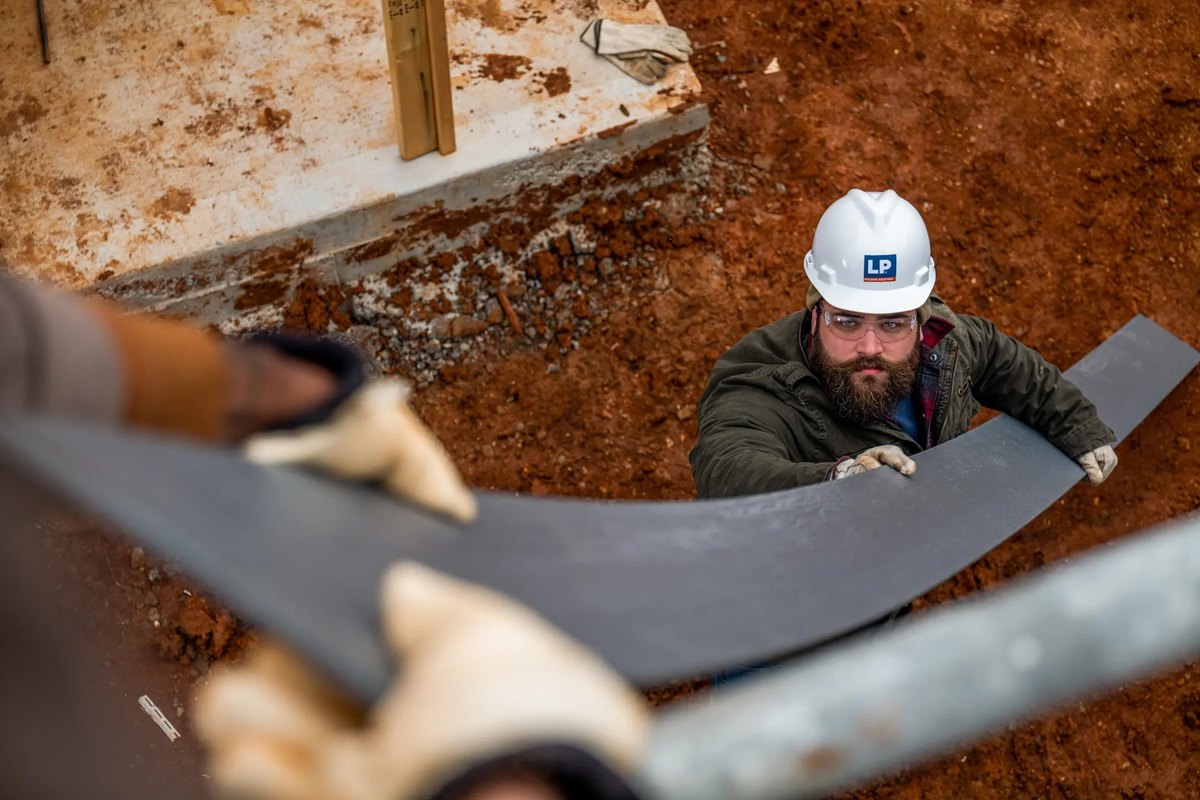
Crews handling building material on site
“Our analytics platform cannot be a single point of failure. When it goes down, the business feels it immediately.”